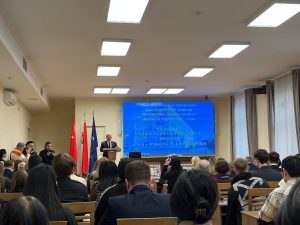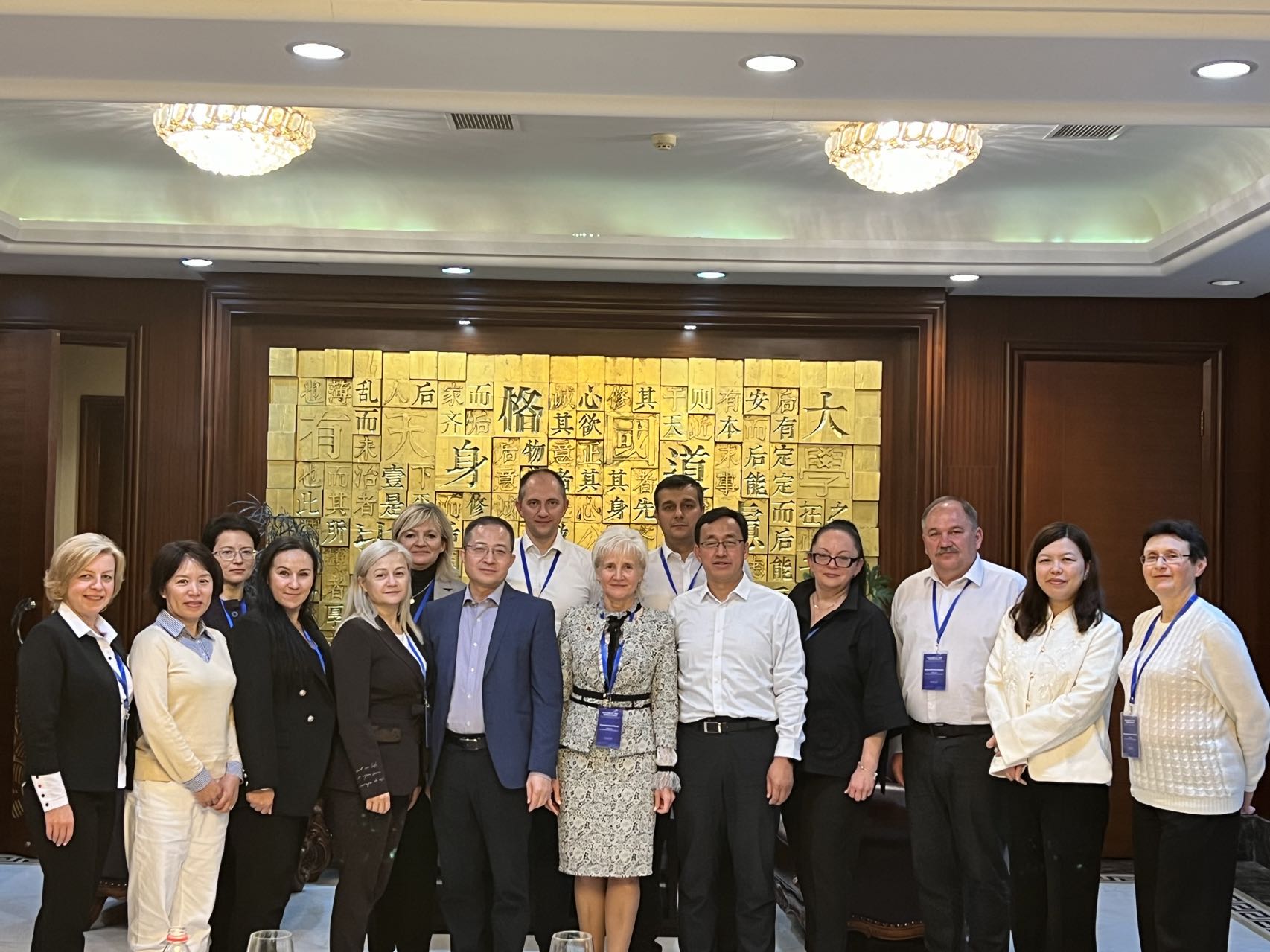
To deepen cooperation between China and Belarus in the fields of education and science, and in accordance with Directive No. 9 of December 3, 2021, issued by the President of the Republic of Belarus on “Developing Bilateral Relations between the Republic of Belarus and the People’s Republic of China,” Elena Alexandrovna Malashenko, Head of the Department of English and Oriental Languages at the Faculty of International Business Communications of the Belarus State Economic University, joined a delegation of Confucius Institute heads from BSU, school directors, and other officials from Belarusian educational institutions in visiting Dalian University of Technology. This visit took place from October 18 to 24.
The delegation’s visit, organized at the invitation of DUT President Jia Zhengyuan, provided an excellent opportunity for international experience exchange, deeper understanding of China’s education system and teaching methods, and the exploration of new forms of collaboration.
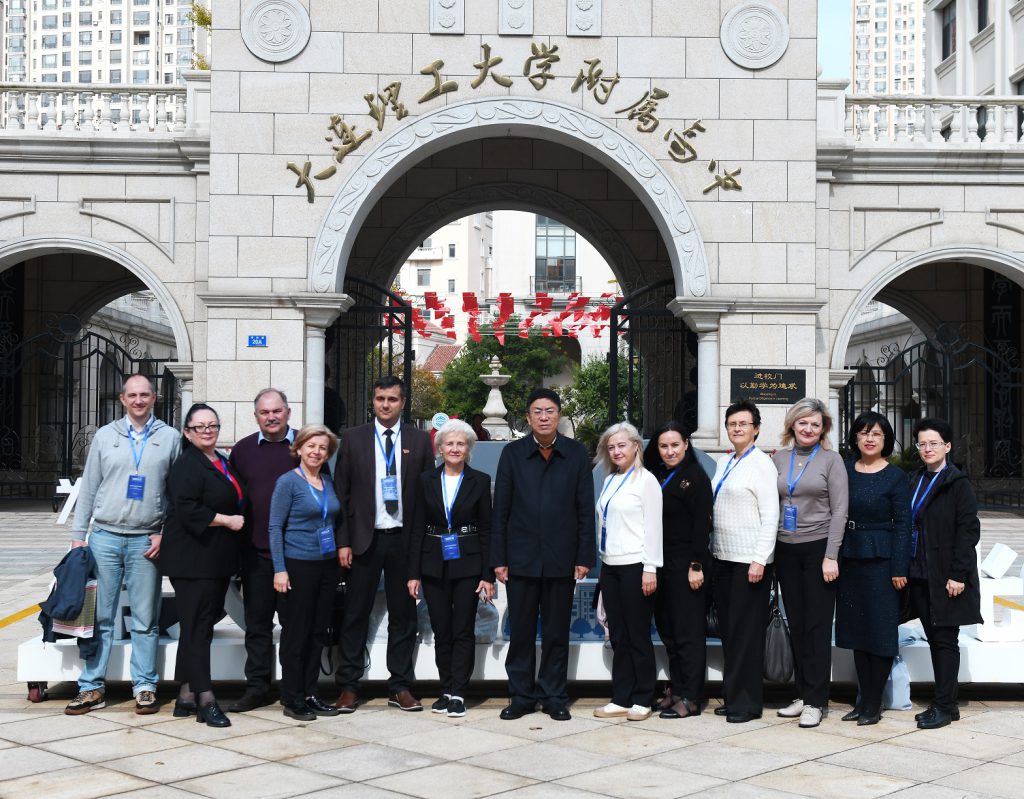
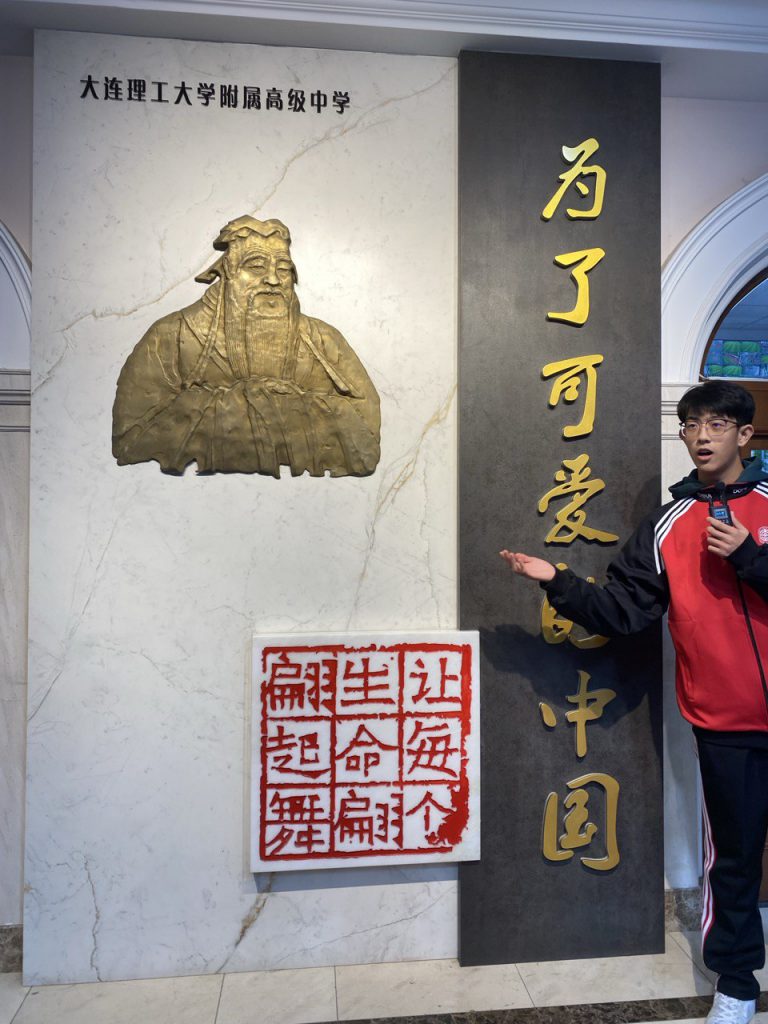
The delegation visited various facilities at DUT, including academic buildings, the DUT History Museum, the library, the International Education Institute, and the Analysis and Testing Center. They were also introduced to the campus infrastructure and visited DUT’s primary and secondary schools.
About the university:
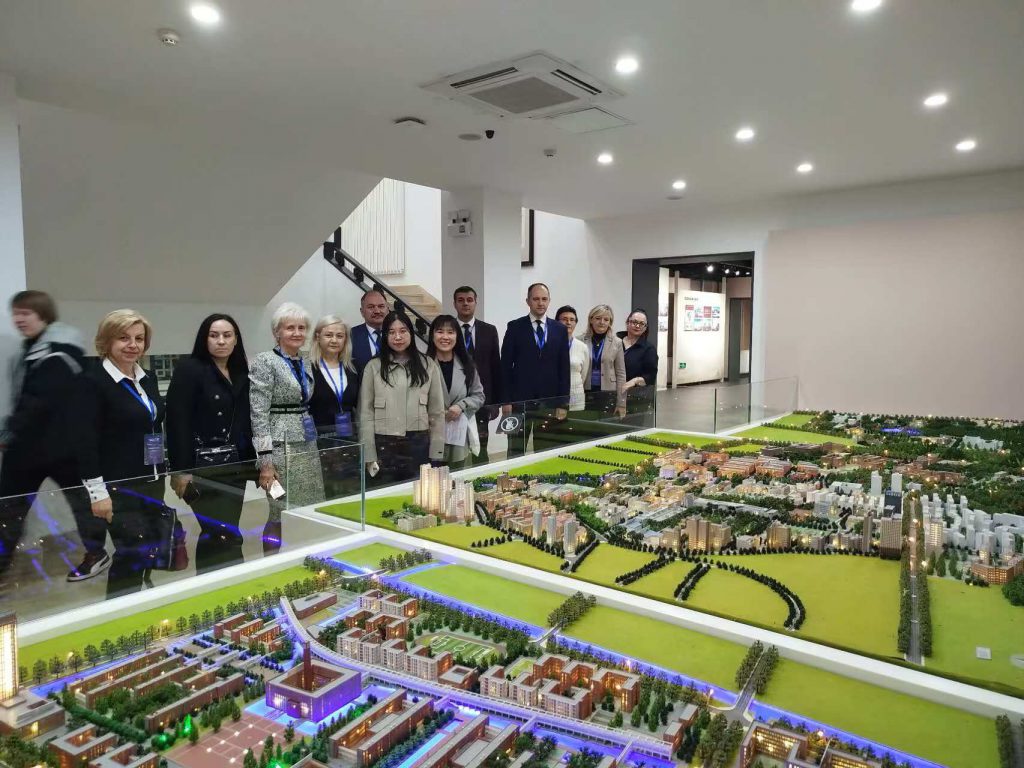
The DUT History Museum officially opened in 2019 to mark the university’s 70th anniversary. The exhibition hall spans three floors and approximately 2,280 square meters, displaying the university’s history through different stages from 1949 to 2019. Among the exhibits are models of three university campuses, specialized exhibition halls dedicated to the first and second presidents, Qu Bochuan and Qian Lingxi, an international gift hall, and an alumni hall. Over the years, DUT has established partnerships with 311 universities, research institutes, and enterprises in 42 countries and regions. The international gift hall features over 110 official gifts from foreign entities.
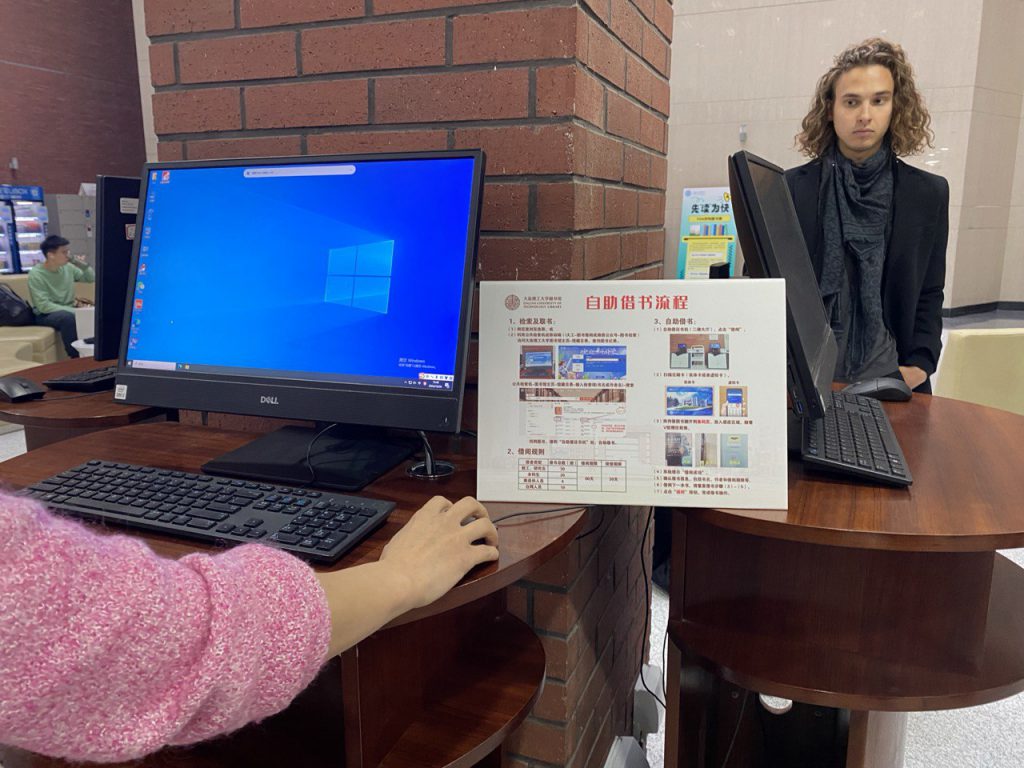
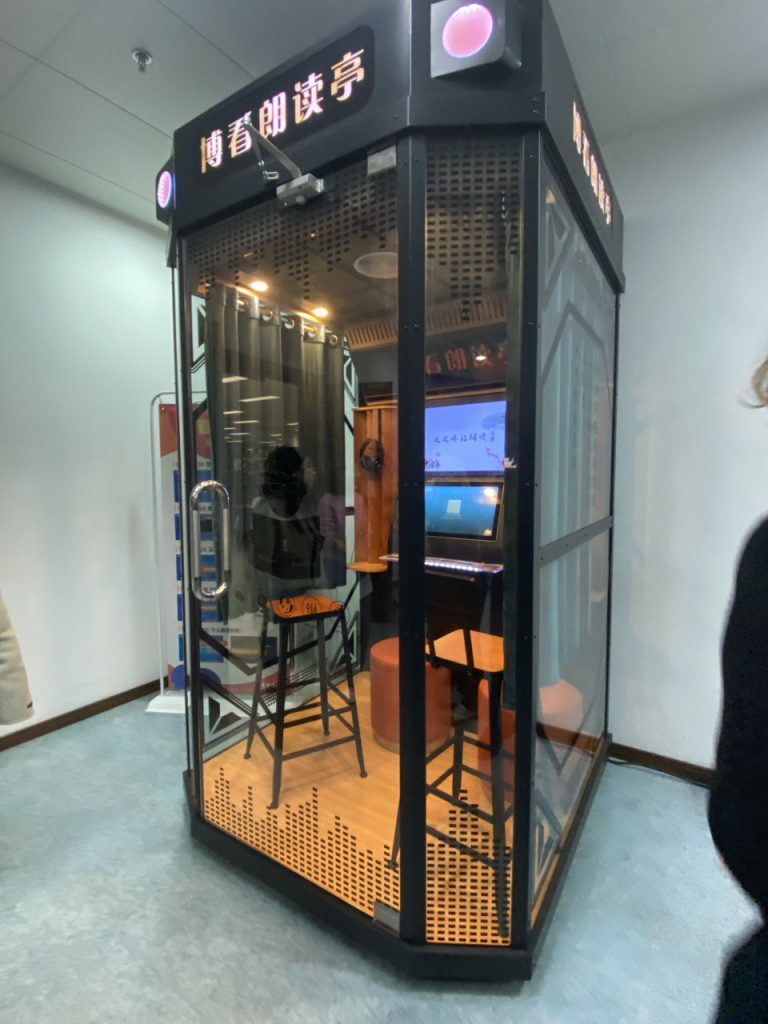
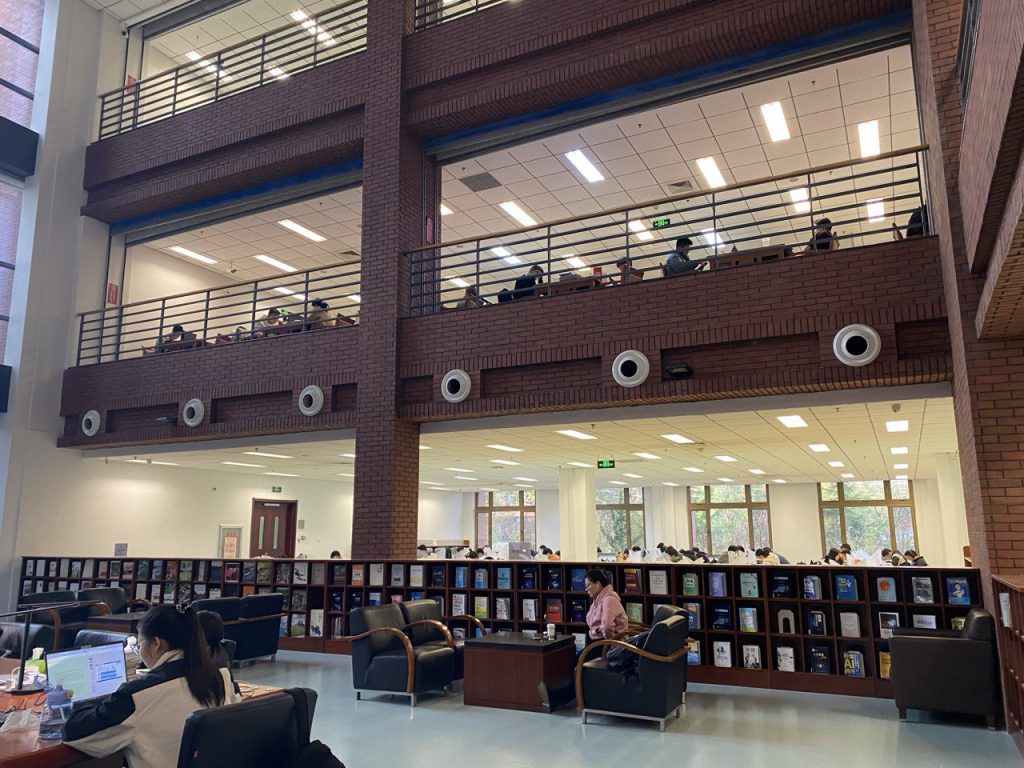
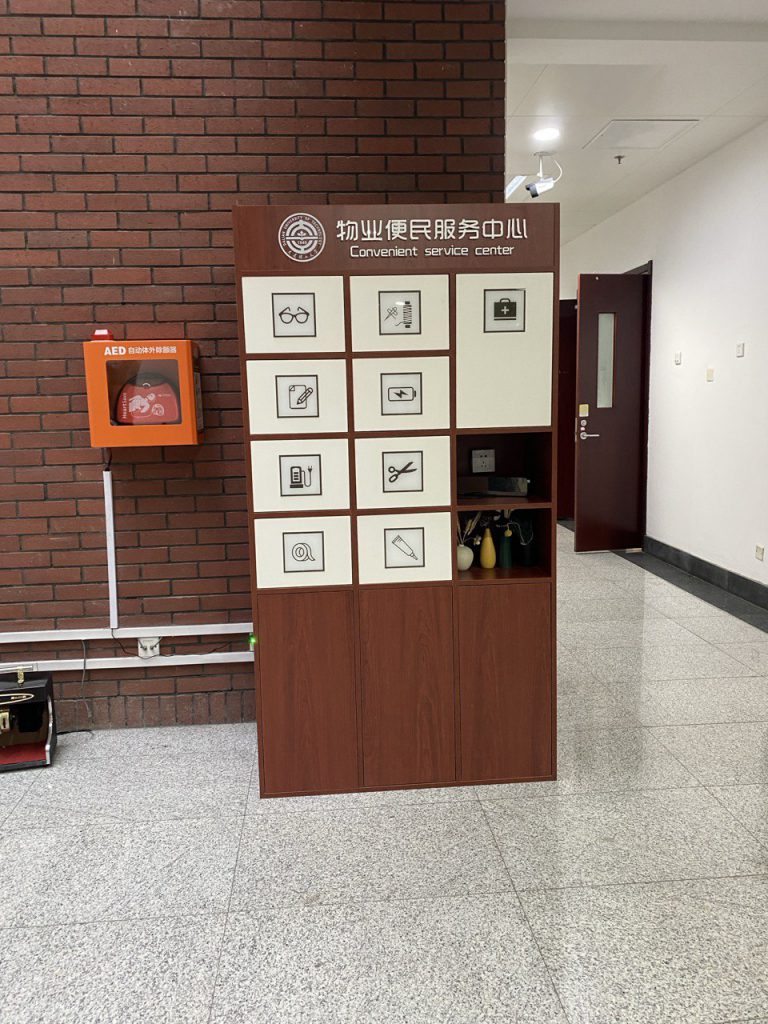
DUT’s library comprises a main library, three branch libraries, and five buildings, with a total of 3.8 million print books and 1.81 million electronic books, covering an area of 83,000 square meters. The Linxi Library, also known as the “Engineering Library,” spans 30,000 square meters and is named after Qian Lingxi. Convenient eastern and western entrances are available on the second floor, accessible by card or biometric entry.
The library has six floors open to the public from the 2nd to the 6th floors, each with north and south reading rooms, air conditioning, and Wi-Fi. Study spaces can be reserved through the “iDUT” app, with a total of 2,600 seats available. Each floor’s western corridor has 708 lockers for storing personal items, which can be accessed with the “Yulan Card” or a virtual card. Water coolers and coffee machines are nearby, and on the 5th floor, there is an open reading terrace connecting rooms 501 and 502.
Team research rooms are ideal for academic collaboration, with 12 available rooms that can be reserved in advance.
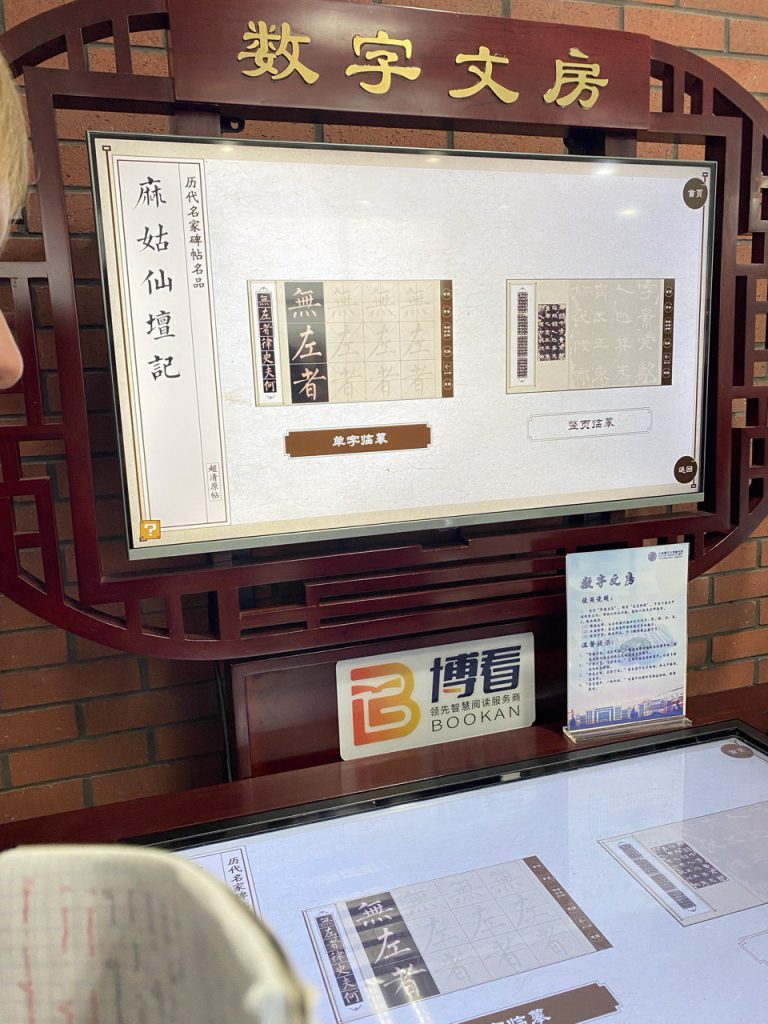
The International Education Institute was established on March 8, 2013. According to Wang Yue, Director of DUT’s International Relations Department, the institute currently has 2,700 students enrolled. Since 2013, it has welcomed over 380 Belarusian students, including short-term program participants. The institute has six departments: Teaching Chinese as a Foreign Language, General Education, Student Affairs, Academic Affairs, Admissions, and the Project Office, as well as the Confucius Institute Management Department.
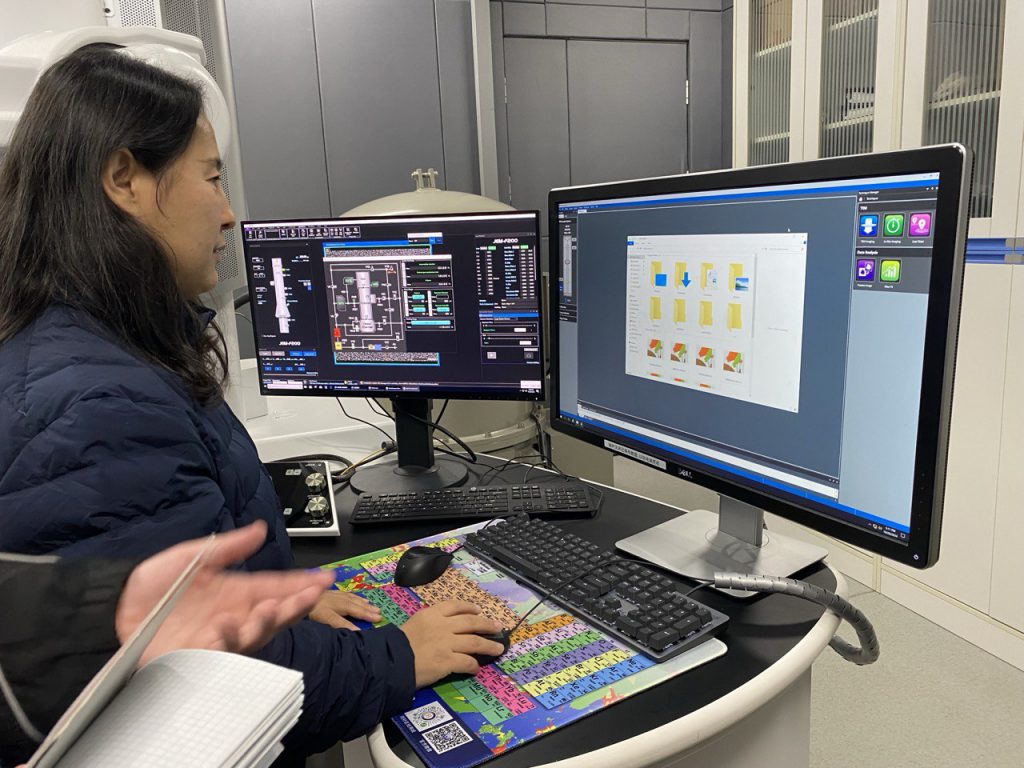
The Analysis and Testing Center is an important scientific platform at DUT, supporting internal research projects as well as offering services to Dalian’s research institutions and enterprises nationwide. Currently, the center collaborates with over 100 organizations and was officially established at the end of 2021 with a staff of 27.
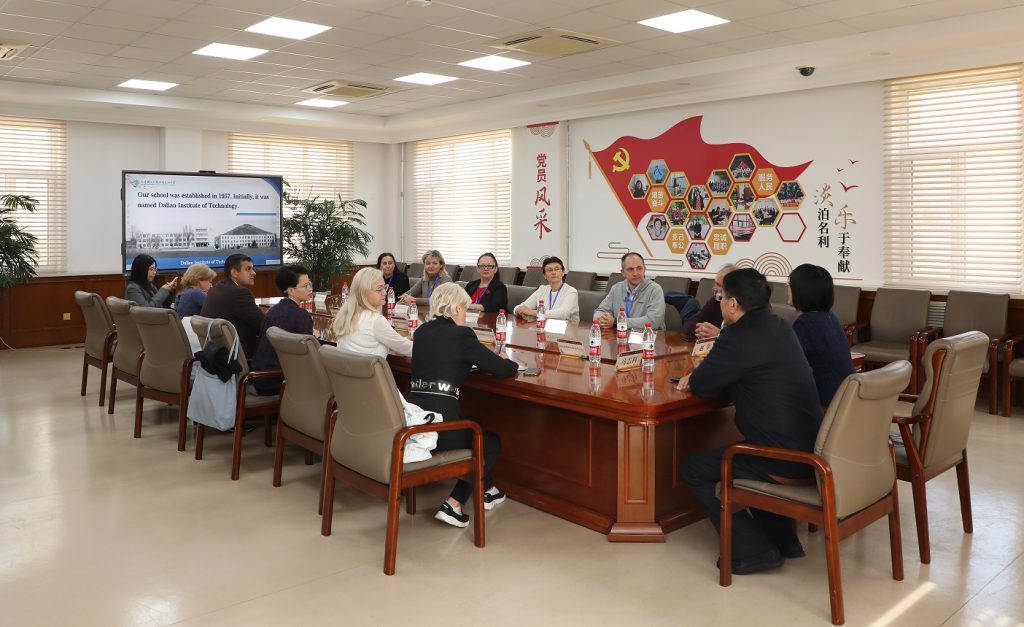
After visiting the university, the delegation toured DUT’s primary and secondary schools. The university’s Party Committee Secretary Wang Dong, along with Vice Secretary and President Li Guilin, warmly welcomed the delegation. During the roundtable, both sides discussed educational work, teaching methods, school-family collaboration, and professional development for educators.
Details available here: https://youtu.be/sruUT0fukYE
https://mp.weixin.qq.com/s?__biz=MzU4MTc2Mzc3Mw==&mid=2247522042&idx=1&sn=ed6e8790e60772226d9fc73fcd3da379&chksm=fc59a595e40b7c153c441fd84b3d6149af810ca24f36f8a38e1503ea3dfa44a6ab9e50605a5b&scene=27
The next day, the roundtable continued with delegates exchanging views on educational administration, teaching quality, key aspects of DUT’s work, and successes in Chinese language joint educational programs and international academic collaborations.
Details available here: https://youtu.be/_Jld0V5LrTk
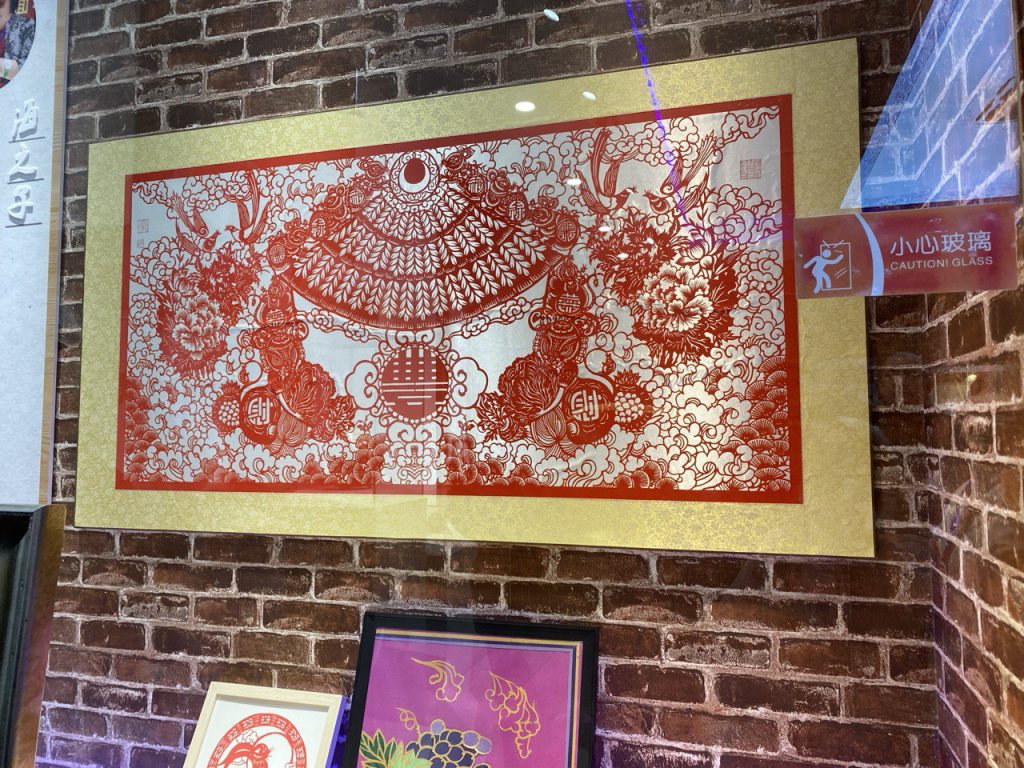
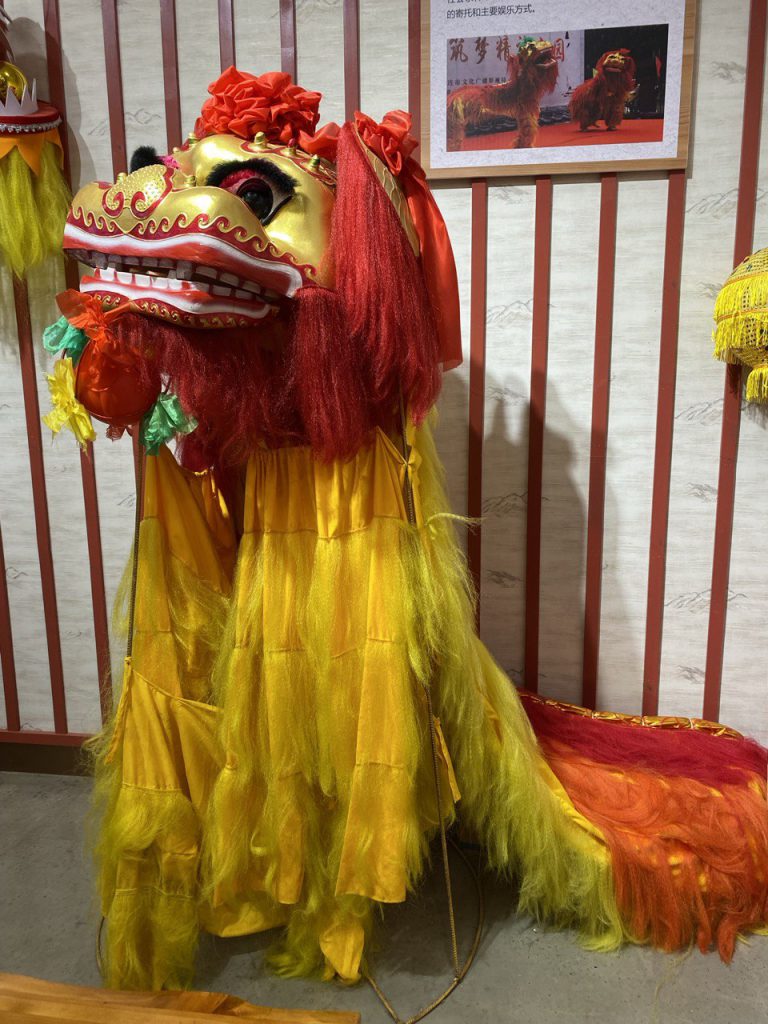
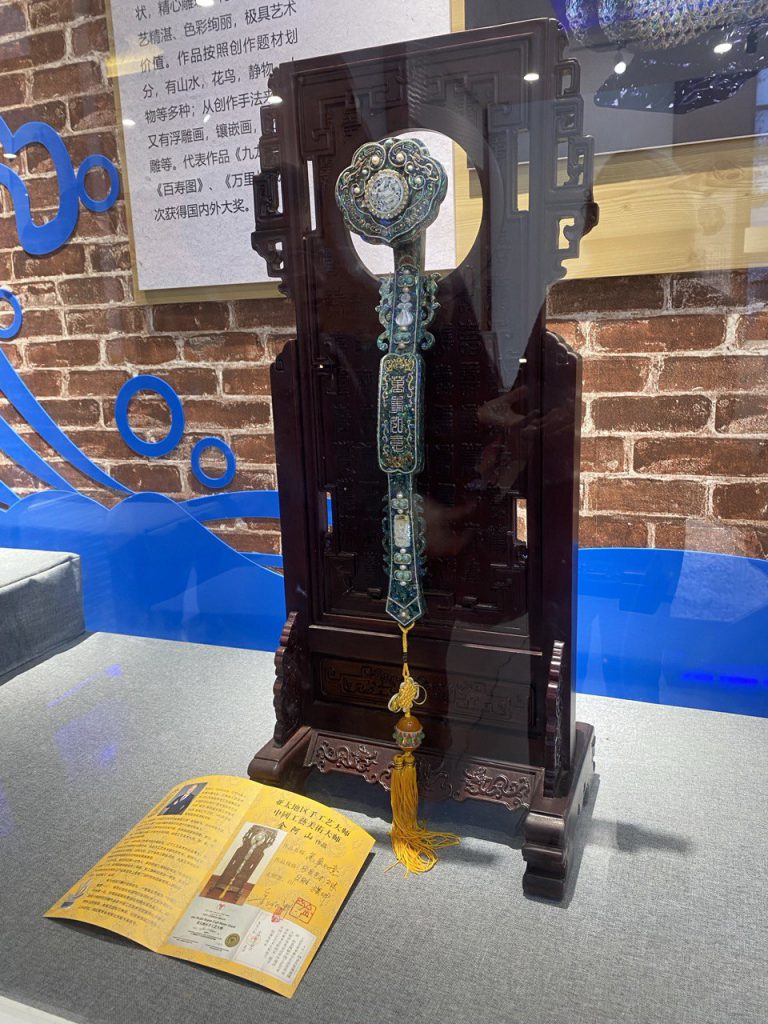
After the roundtable, the Belarusian delegation visited the Jinjiadjie Intangible Cultural Heritage Museum, where Professor Li Gang conducted a tour, discussing Dalian’s cultural projects, such as shell carving, shadow puppet making, and Zhuanghe paper cutting. Guests discussed the potential for integrating Chinese cultural traditions into Chinese language education programs to promote cultural exchange.
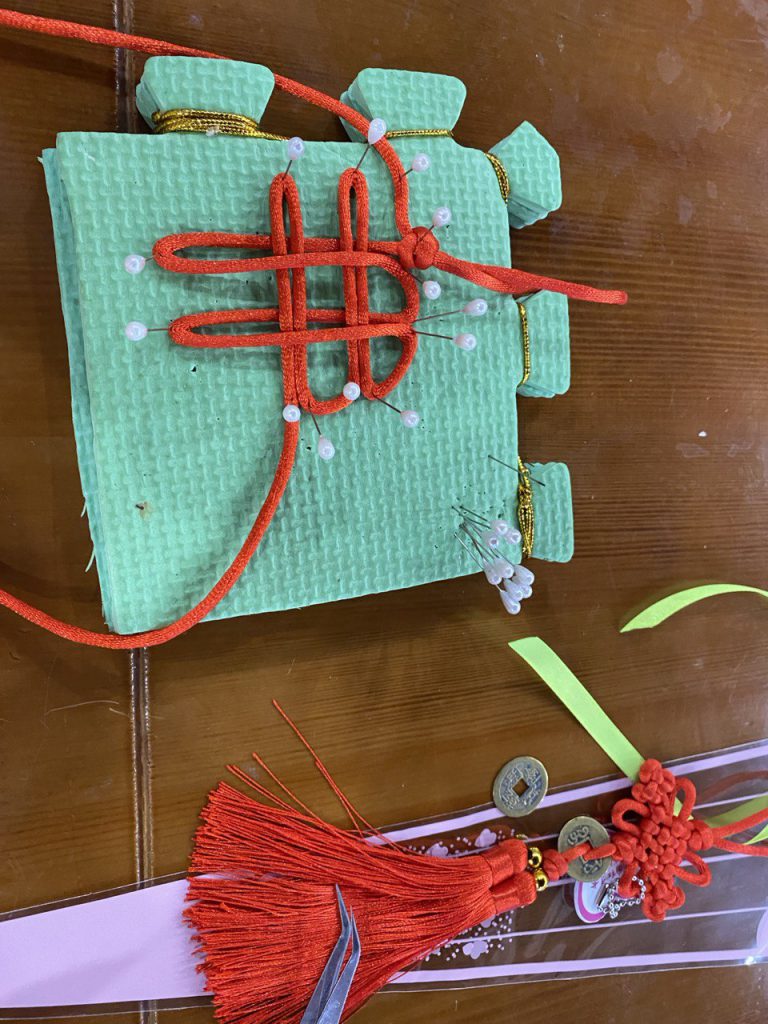
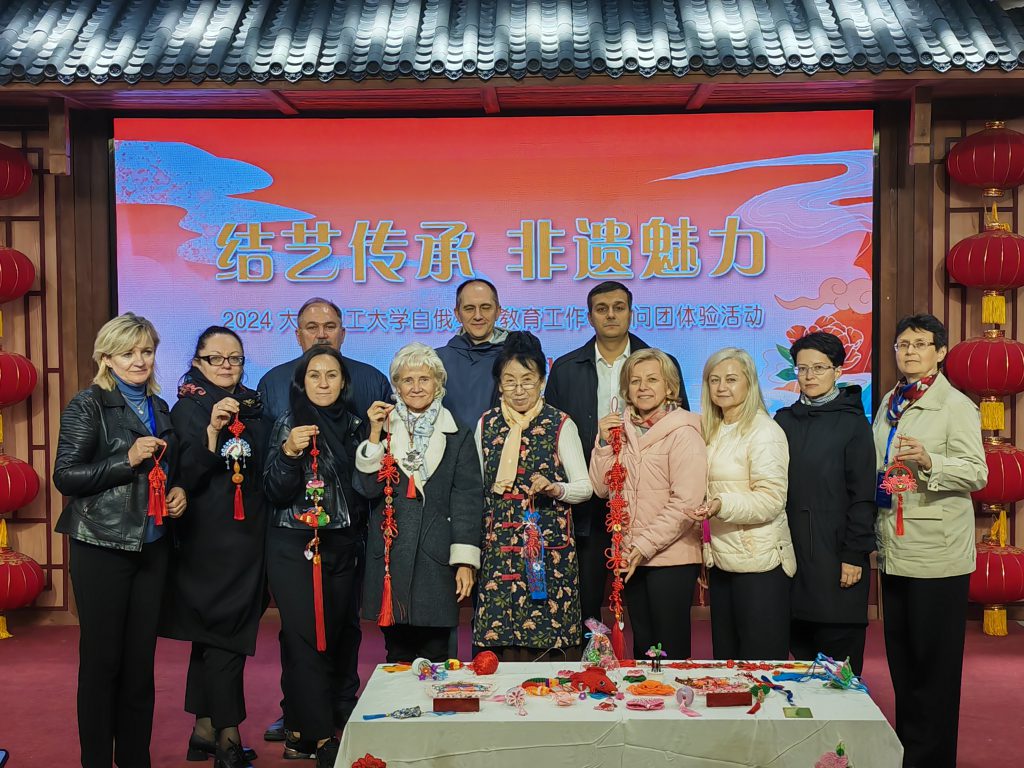
Following the tour, Professor Zhang Guizhen, an instructor of applied arts at Dalian University and Dalian University of Finance and Economics, introduced the delegates to the art of Chinese knotting and demonstrated the technique for making the “Four Seasons – Peace and Luck” knot, which the delegates kept as a souvenir.
This experience provided the delegation with a deeper understanding of China’s traditional arts and crafts, cultural and educational context, and symbolized the successful conclusion of the visit, strengthening intercultural understanding and ties between China and Belarus in education and culture.
Further details here: https://mp.weixin.qq.com/s/LY9cMMXGNuAb3pzgSrlf2g
https://youtu.be/BIMAArPUAjE